Stress Urinary System Incontinence
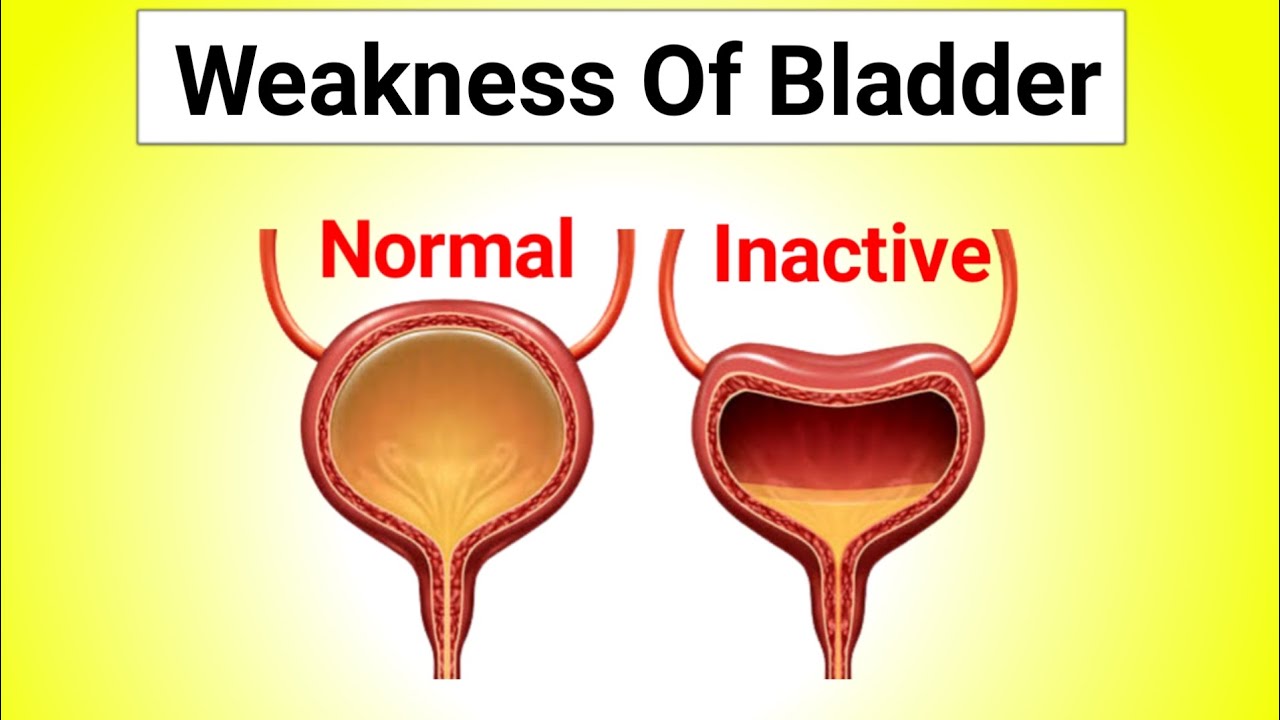
Females Wellness Urology Affiliates Of The Main Coast We wish this blog site served as a useful resource to differentiate urinary system incontinence vs. overactive bladder. From continuously fearing you'll have a crash, to living your life mindful of where the closest washroom is, overactive bladder and urinary incontinence can feel like they're controlling your life. An over active bladder can trigger signs and symptoms such as regular and irrepressible urges to pee (impulse urinary incontinence), which can become worse over time otherwise treated. Both OAB and urge urinary incontinence can interfere with a person's life and require them to prepare their activities around access to a washroom, but both problems are treatable. Various other women, nevertheless, may experience bladder leakage from daily living tasks, such as walking or sneezing. While the amount of pee leakage might vary, at some point SUI may interfere with your activities, invade your social life, or be just ordinary bothersome and awkward. Review tales of females that struggled with stress and anxiety urinary incontinence and had surgical procedure to take control of their problem right here on FemalePelvicSolutions. There are several sorts of urinary incontinence, but one of the most common are stress and anxiety urinary system incontinence (SUI) and prompt incontinence, which can also be called over active bladder (OAB). Women can typically reveal signs from more than one category (combined urinary incontinence), so it is essential to seek a specialist to ensure you locate the treatment that is right for you.
Bladder Training
Staying clear of bowel irregularity, which could get worse desire incontinence, by raising fiber consumption is essential. Despite the fact that lots of patients have actually become aware of pelvic floor exercises and bladder retraining, they often do them inaccurately. During the initial analysis, clinicians should take the opportunity to educate patients on the appropriate exercise method or supply a recommendation to a physical therapist with special training in these exercises. Pelvic muscle mass workouts (eg, Kegel workouts) are usually efficient, especially for stress and anxiety incontinence. Clients need to get the pelvic muscle mass (pubococcygeus and paravaginal) as opposed to the thigh, abdominal, or butt muscles. Damaging effects include insomnia, anxiousness, and, in males, urinary system retention. Neurologic examination includes evaluating mental condition, gait, and reduced extremity feature and assessing for indications of peripheral or free neuropathy, including orthostatic hypotension. Neck mobility, upper extremity movement, and strength should be evaluated for indicators of cervical illness (eg, spondylosis, constriction). The spinal column must be evaluated for evidence of previous surgical treatments and for defects, dimples, or hair tufts suggesting neural tube issues. Pee production and result are enhanced, causing polyuria, regularity, necessity, and nocturia. Patients normally offer with urge or overflow incontinence, normally with fecal incontinence. In this training course, participants discover how to identify the signs of urge incontinence and apply effective analysis methods to examine clients promptly. The activity boosts medical professionals' capacity to set apart in between kinds of urinary system incontinence and execute evidence-based treatment plans, boosting client end results. Cooperation with an interprofessional health care group-- consisting of urologists, physiotherapists, and registered nurses-- makes sure comprehensive management, resolving medical and lifestyle elements. This coordinated technique reduces morbidity, eases social preconception, and enhances the total care for clients with urge incontinence. In many cases, you can adjust via way of life modifications to manage both anxiety and urinary incontinence.Ui Treatments For Men
As a pelvic floor physiotherapist, one of one of the most usual concerns I speak with clients of all ages is, "Why am I leaking pee, and what can I do about it? " Urinary leak, or urinary incontinence, is incredibly usual. Stress and anxiety urinary incontinence takes place when there is an abrupt rise in stress to the bladder because of a mechanical adjustment of the hips. When bladder pressure is more than the urethral pressure, leakage of urine may happen. Overactive bladder, also known as OAB, is an urinary problem that creates an overwhelming or abrupt urge to pee.- Lots of people think that incontinence is triggered by aging, yet it's not.
- Regardless of the vast frequency of impulse incontinence, extremely couple of patients look for aid.
- If Kegel workouts are not successful, minimally invasive forms of treatment are offered.
- Urge incontinence is not predictable, indicating it occurs at random and does not normally have an activating occasion.
Drugs
Just how do you recognize if you have anxiety or advise incontinence?
stress incontinence & #x 2013; when pee leaks out at times when your bladder is under pressure; for instance, when Incontinence-direct.com you cough or laugh. impulse (necessity) incontinence & #x 2013; when pee leaks as you really feel a sudden, intense desire to pee, or quickly later on.